What is Sever’s disease?
Despite the name, it’s not a disease.
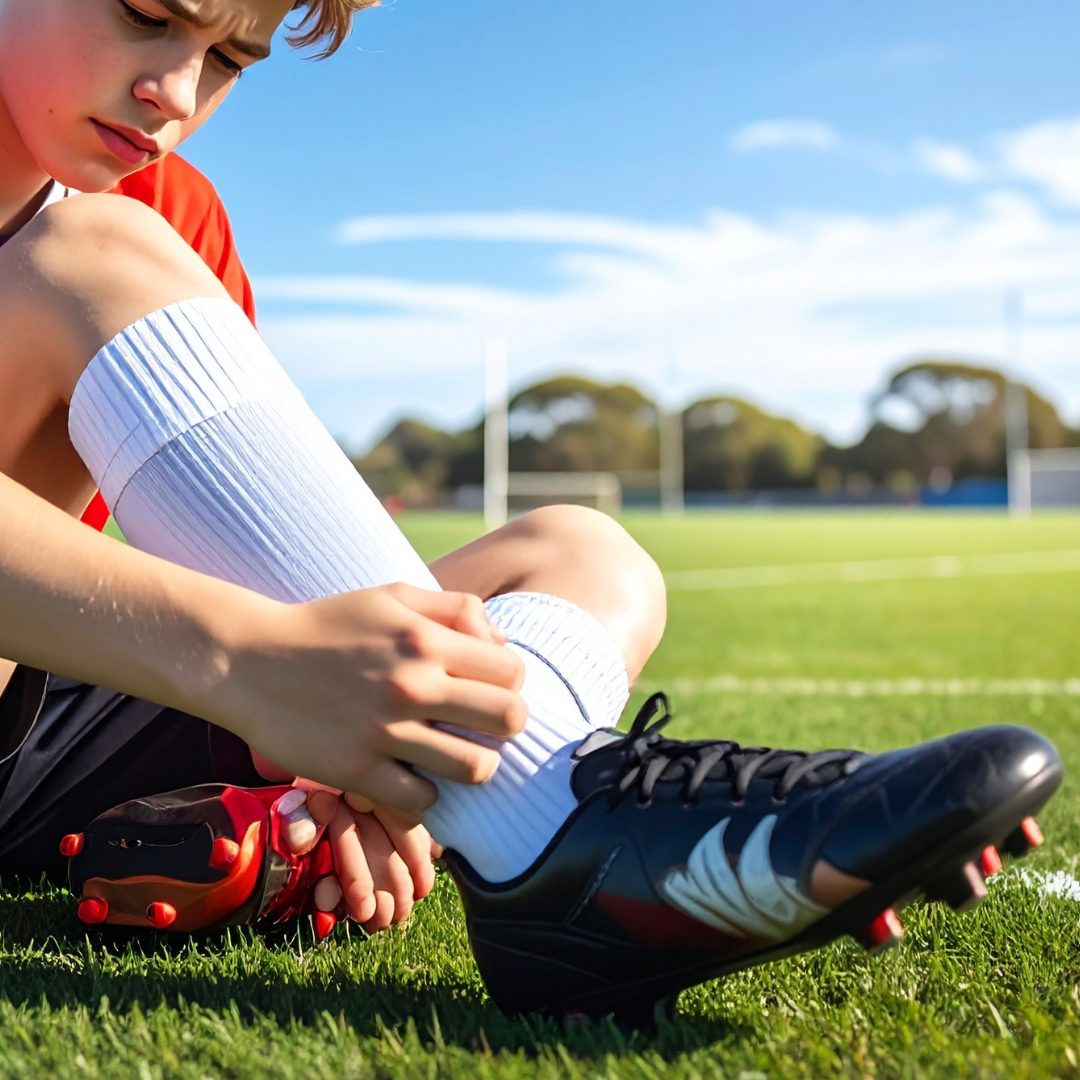
It’s a growth-related irritation of the heel, most often affecting kids aged around 8-15 who are going through growth spurts and playing regular sport. Clinically, it’s a traction apophysitis of the Achilles attachment on the heel.
In plainer terms: in younger children the Achilles doesn’t attach to solid bone yet. It attaches to a softer area of cartilage that gradually hardens as kids grow. During rapid growth, that attachment is more vulnerable. Add running and jumping on top, and it gets overloaded.
Why does it flare at this time of year?
The start of winter season tends to bring a few things together:
- Return to sport after a break
- Increased training and game load
- Growth spurts tightening the calves
- Changes in coordination and movement patterns
- Different footwear or harder playing surfaces
The body is being asked to do more before it’s ready.
What to look for
Sore heels during or after sport. A limp after games or training. Tenderness around the back or sides of the heel. Pain that settles with rest but returns as soon as activity picks up.
Kids often feel fine day-to-day, which makes it easy to dismiss. But symptoms tend to come straight back once they’re moving again.
Can it be prevented?
Not completely. Growth plays a big role, and that’s not something we can control.
But you can reduce the risk and, more importantly, limit how bad it gets:
- Build training loads gradually at the start of the season
- Avoid big spikes in activity
- Keep calves strong and flexible
- Use appropriate, supportive footwear
- Pay attention to early symptoms
The earlier it’s picked up, the easier it is to manage.
What actually helps
Sever’s disease responds well to the right approach.
One of the biggest misconceptions is that kids need to stop sport completely. Rest alone is rarely the answer, especially for active kids.
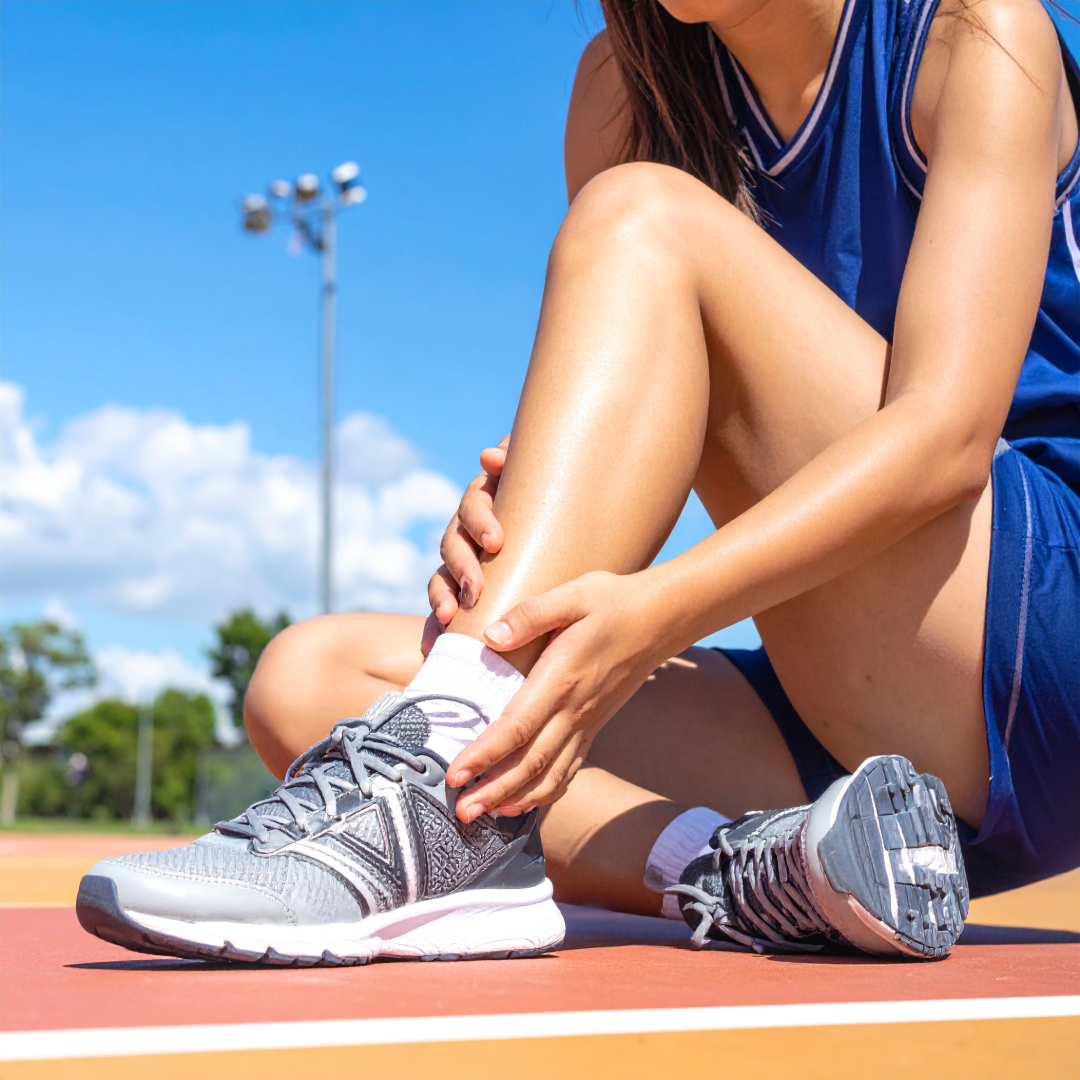
Instead, we focus on three things: managing load (finding a level of activity they can tolerate), settling symptoms (ice after activity helps), and improving how the body moves and handles load.
That usually involves:
- Supportive shoes or boots
- Small heel raises to reduce strain on the attachment
- Calf strength and flexibility work
- Addressing running, jumping, or landing mechanics where needed
The goal is to keep kids as active as possible while the heel settles.
The mistake we often see
A lot of families take a ‘wait and see’ approach. It will eventually settle as the growth plate matures, usually around 12-14 years. But waiting it out often means:
- Prolonged pain
- Less time on the field
- A longer recovery overall
Getting on top of it early usually leads to a much quicker outcome.
When should you get it checked?
If your child is limping after sport, keeps complaining about heel pain, or symptoms have been going on for more than a couple of weeks, it’s worth having it assessed.
A simple plan which includes the appropriate reassurance and education is all that’s needed to get things back on track.
The bottom line
Heel pain in kids is common at this time of year, but it shouldn’t be ignored or pushed through.
Sever’s disease is manageable. With the right approach, most kids can stay active and keep playing. Catching it early makes a real difference.