Understanding what makes New Year’s resolutions stick is the first step. The next is knowing what practical support looks like when those principles are applied in real life.
Below are examples of how structured, professional care can help people move from intention to action — safely, confidently, and sustainably, specifically how ‘our services and how we can help’.
Individualised Strength Training: Structure Without Intimidation
Strength training is one of the most effective ways to improve long-term health, reduce injury risk, and support daily function. However, it’s also where many people feel unsure or overwhelmed.
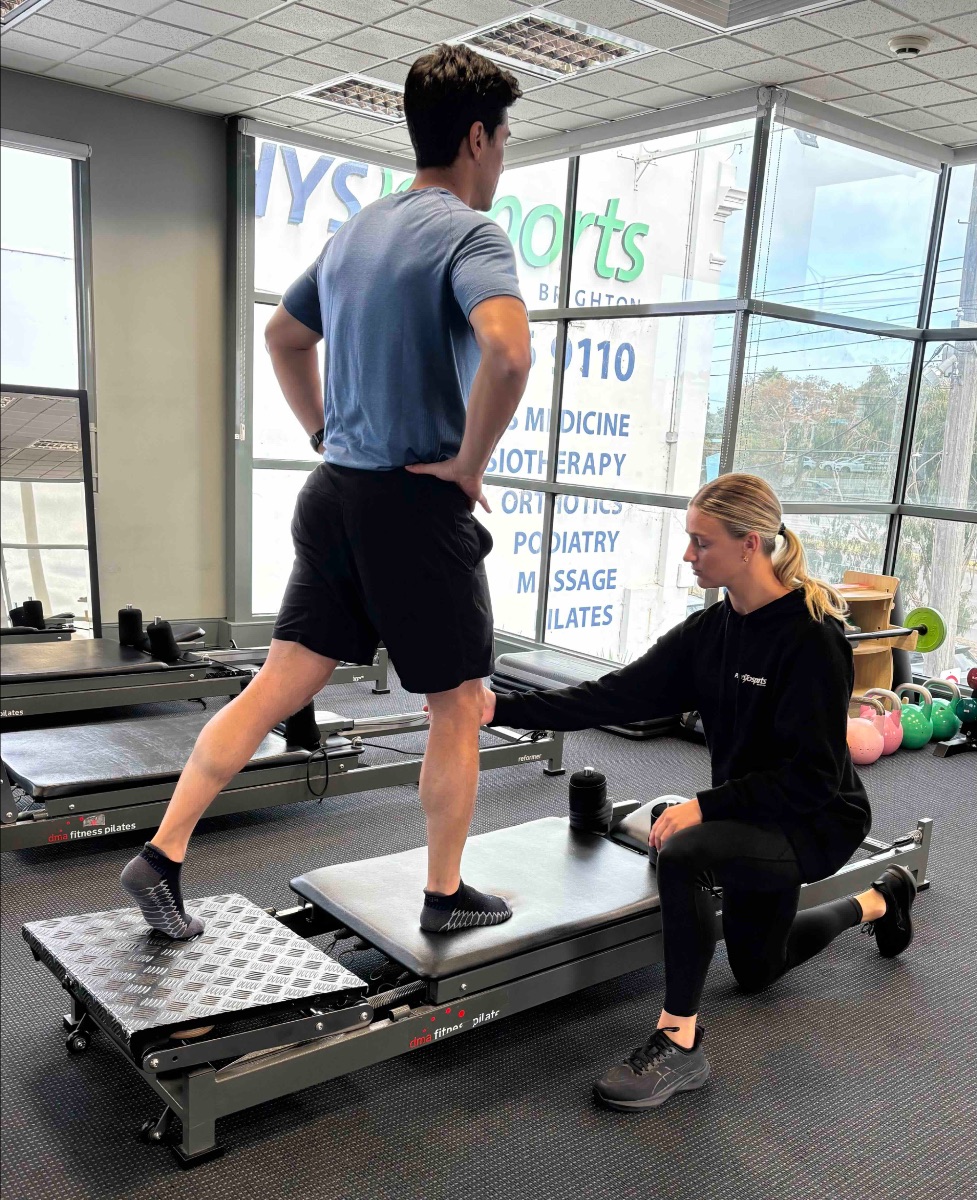
A well-designed strength program begins with assessment and is tailored to the individual — taking into account injury history, movement capacity, and personal goals. When exercises are selected purposefully and progressed gradually, people build strength without fear or setbacks.
Supported environments, where technique and set-up are monitored, allow individuals to focus on consistency rather than comparison, making strength training accessible at any stage of life.
Clinical Pilates: Building Control, Stability, and Confidence
For some people, the priority isn’t lifting heavier weights — it’s improving control, posture, and movement quality.
Clinical Pilates focuses on developing deep core strength, coordination, and stability. It is particularly helpful for managing back or neck pain, improving postural endurance, and supporting recovery after injury. When guided by a physiotherapist, exercises are adapted to suit individual needs and progressed appropriately.
Physiotherapy: Addressing Issues Before They Escalate
Small aches and movement restrictions are often early warning signs. Addressing them early can prevent compensatory patterns and longer-term problems.
Physiotherapy assessment provides clarity around what’s contributing to discomfort and helps guide appropriate treatment, exercise, or load modification — keeping people active rather than sidelined.
Pelvic Health Physiotherapy: Removing Hidden Barriers
Pelvic health concerns can significantly impact confidence, comfort, and participation in exercise — yet they’re commonly overlooked.
Targeted pelvic health physiotherapy can support bladder and bowel control, pelvic pain, pregnancy and post-natal recovery, and return to activity. Addressing these concerns early allows people to move freely and confidently without restriction.
Podiatry and Biomechanics: The Foundation Matters
Footwear and biomechanics play a major role in injury risk and movement efficiency.
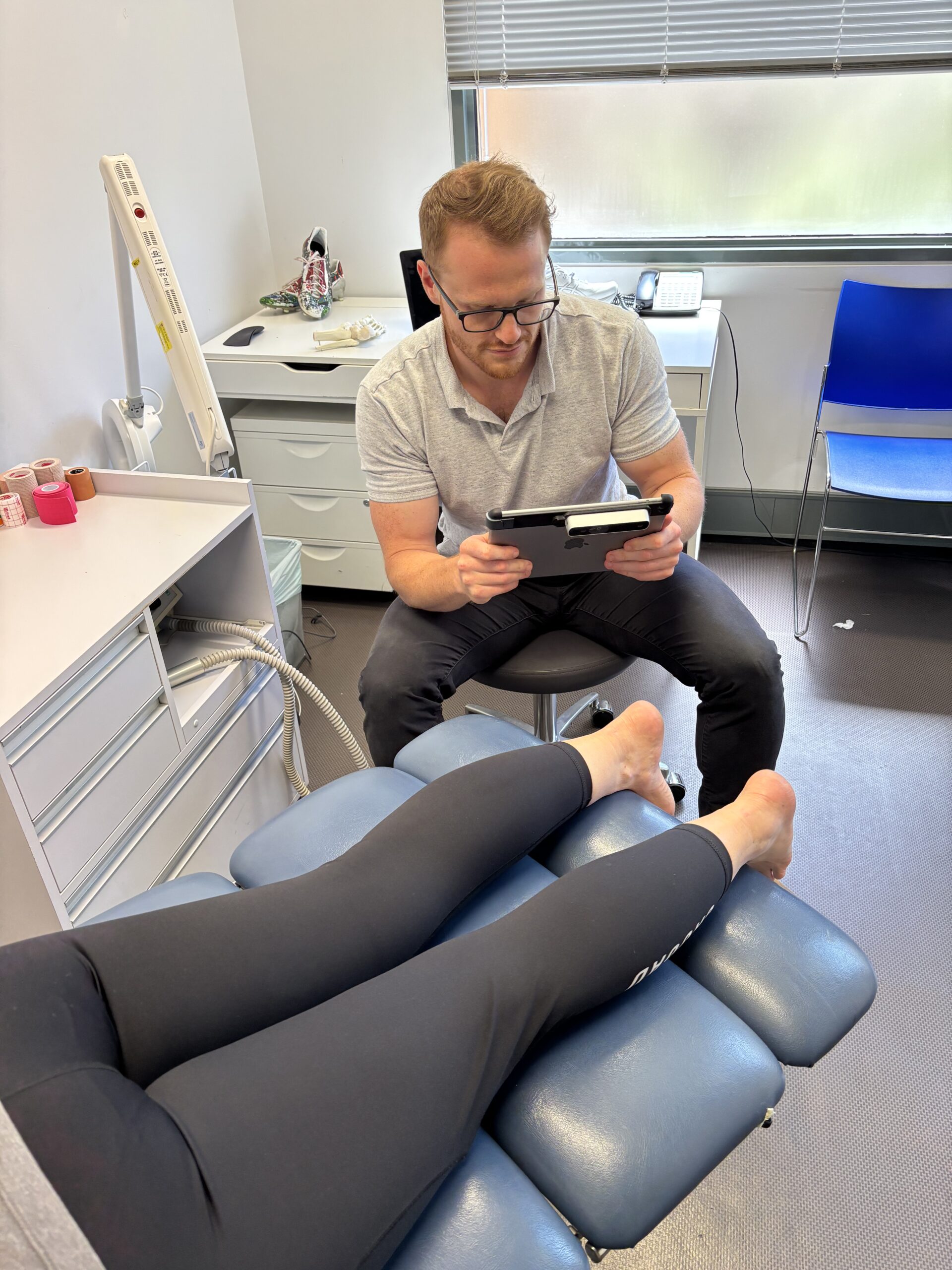
Running shoe assessments, school shoe fittings for children, and gait analysis help ensure appropriate support for growing or active bodies. These assessments can reduce strain on joints and help prevent recurring injuries.
Bike Assessments: Comfort, Efficiency, and Injury Prevention
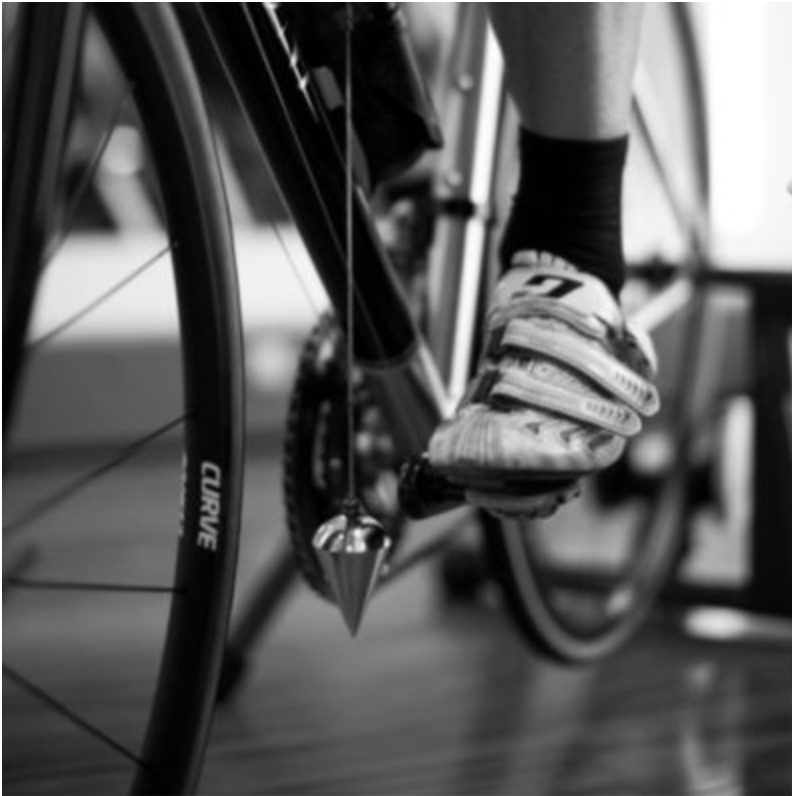
For those who cycle recreationally or competitively, bike setup matters. Small adjustments can significantly improve comfort, efficiency, and reduce the likelihood of overuse injuries — particularly in the knees, hips, neck, and lower back.
Choosing Support That Matches Your Goals
Sustainable change rarely comes from doing everything at once. It comes from choosing the right support at the right time — based on your body, your lifestyle, and your goals.
When professional guidance is aligned with education, structure, and reassurance, health goals become far more achievable — not just in January, but throughout the year.
At Physiosports, this is exactly how we help people turn good intentions into habits that last. Every plan starts with a physiotherapist-led assessment, followed by individualised strength training, clinical Pilates, and supported exercise sessions that match where your body is right now. Add in our wider allied health team, and you have clear guidance, proper structure, and ongoing support, all designed to keep you moving safely and confidently throughout the year.
If you’re ready to move from thinking about change to actually doing it, the next step is simple. Click here to book an appointment with the clinician best suited to your needs, or call our team on 9596 9110 and we’ll help you get started.